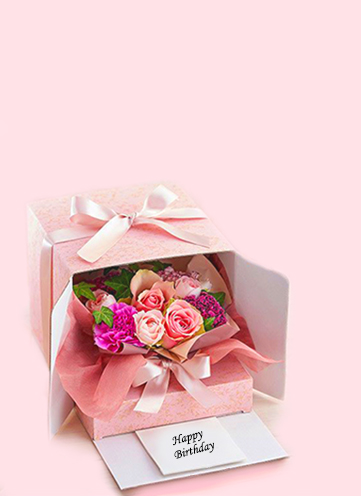
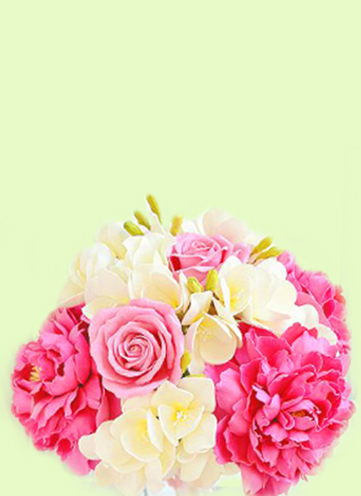
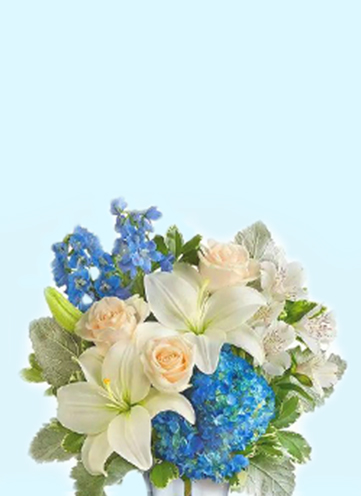
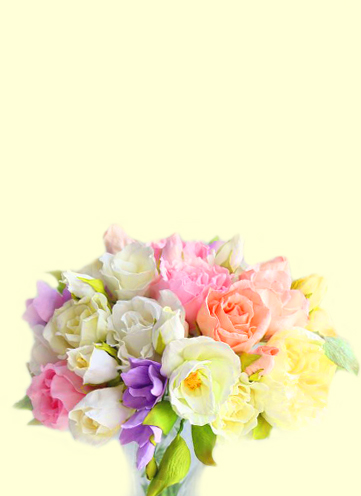
Ilford florist case study Valentines Park wedding bouquet
Posted on 03/10/2026
Planning a wedding bouquet sounds simple until you start balancing colour, shape, weather, timing, budget, and the very real pressure of wanting it all to look effortless. That is exactly why an Ilford florist case study Valentines Park wedding bouquet is useful: it shows how local flower knowledge, venue awareness, and sensible design choices come together in a real wedding setting. If you are deciding what to order, how to brief a florist, or how to make sure your bouquet still looks fresh when the photos begin, this guide will help. No fluff. Just the practical stuff that matters on the day.
Valentines Park has that relaxed, open, green feel that many couples love for wedding photography. But outdoor spaces and nearby travel logistics do change how bouquet planning works. A bouquet that looks beautiful in a studio can behave very differently in a breezy park at midday. So let's break it down properly.
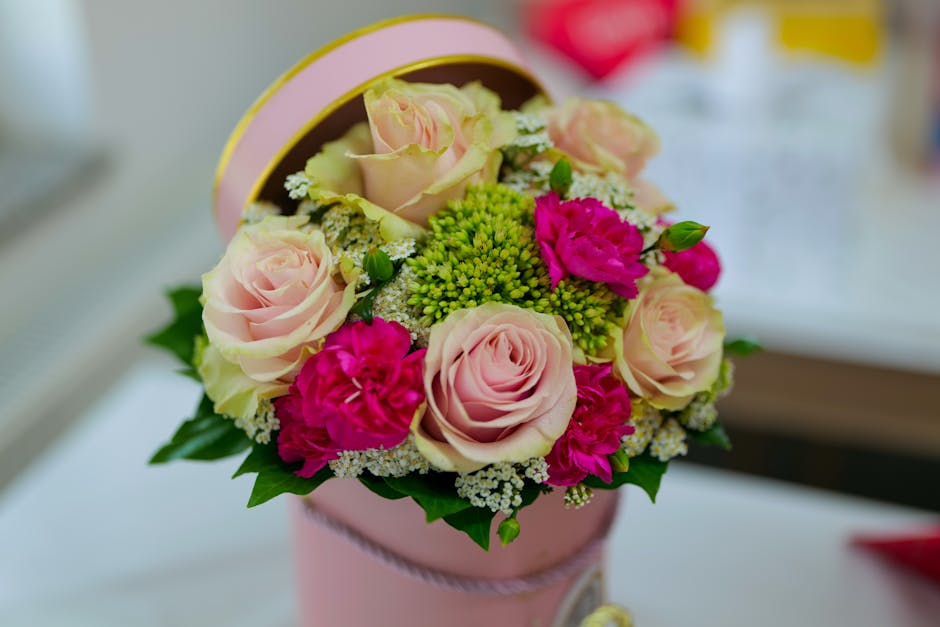
Why Ilford florist case study Valentines Park wedding bouquet Matters
To be fair, a wedding bouquet is never just a bouquet. It is the piece people notice in the ceremony, the detail that appears in every close-up, and often the thing that quietly ties the whole floral story together. In a local wedding context, the value of an Ilford florist case study is that it shows how a florist can work with the area, the venue type, and the practical realities of the day rather than offering a one-size-fits-all arrangement.
Valentines Park matters because it changes the brief. Park weddings and nearby outdoor photos often mean more movement, more daylight variation, and sometimes more handling of flowers before the main moments. That affects bouquet design. A compact bouquet, for example, can travel better and feel easier to hold during photos. A looser garden-style bouquet can look romantic, but it needs more careful conditioning and transport. These are the little decisions that make the difference between pretty and polished.
There is also a local trust angle. Couples usually want a florist who understands the area, the season, and what actually works in British wedding conditions. We are not talking about fantasy Pinterest styling that only survives one hour in a controlled room. We are talking about flowers that look lovely at 11 a.m., still hold together at the ceremony, and continue to photograph well after a few hugs and a bit of park wind. Real-world stuff.
Expert summary: The best wedding bouquet planning combines design, timing, and practicality. In a park setting, you need a bouquet that is beautiful and robust enough to cope with transport, temperature, and the day's movement.
How Ilford florist case study Valentines Park wedding bouquet Works
The process usually starts with the couple's wedding style, colour palette, and venue conditions. A florist then translates those preferences into a bouquet that feels personal but also behaves well on the day. That sounds obvious, but it is where the real skill sits.
In practical terms, a wedding bouquet brief often includes:
- the dress style and fabric texture
- the season of the wedding
- the ceremony and photo locations
- the preferred colour mood, such as soft romantic, bold modern, or classic white
- any flowers to include or avoid
- how the bouquet will be held, carried, or reused after the ceremony
For a Valentines Park wedding, a florist may also think about distance from preparation venue to ceremony spot, how long the bouquet will need to stay fresh before photos, and whether the arrangement should be lightweight. A bouquet is not a handbag, thankfully, but you do notice the weight if it is oversized.
In a local case-study approach, the florist would usually test the bouquet against three questions:
- Does it suit the couple's look?
- Will it stay fresh and presentable through the day?
- Will it photograph well in natural outdoor light?
If the answer is yes to all three, the brief is working. If not, something needs adjusting, usually size, stem structure, or flower selection.
Key Benefits and Practical Advantages
A well-planned local wedding bouquet does more than look good in the hand. It supports the whole wedding flow. That is easy to overlook when you are comparing images online, but you will feel it on the day.
1. Better fit for the venue
Valentines Park is open, natural, and photo-friendly, so a bouquet that complements greenery and daylight usually feels more cohesive than something overly formal or rigid. Soft rose tones, whites, blush, and mixed seasonal textures tend to sit comfortably in that setting. Not a rule, just a smart starting point.
2. Easier handling and comfort
Wedding bouquets are carried for longer than most people expect. A balanced bouquet reduces hand fatigue and keeps the bride or partner more relaxed. That matters in group photos when you are standing a bit too long and smiling a bit too hard. We have all seen it happen.
3. Improved freshness on the day
Local florists can usually plan for collection, short travel time, and sensible conditioning. That can help with freshness, especially for delicate blooms. Less time in transit generally means fewer problems, though weather still has a say, as it always does.
4. Stronger visual consistency
The bouquet can be designed to work with bridesmaid bouquets, buttonholes, and ceremony flowers. That makes the whole wedding feel intentional rather than assembled from separate ideas.
5. Easier decision-making
When you work from a real local case study, you are not guessing. You can see how design decisions were made and what trade-offs were chosen. It is reassuring, and honestly a bit practical in the best way.
| Approach | Best for | Strengths | Possible drawback |
|---|---|---|---|
| Compact bouquet | Longer travel, busy schedules, easier handling | Lightweight, tidy, durable in photos | Can feel less dramatic if the bride wants more volume |
| Loose garden-style bouquet | Romantic, soft, natural wedding styling | Beautiful texture, elegant movement | May need more care in warm or windy conditions |
| Classic rose bouquet | Traditional weddings and timeless styling | Clean, familiar, polished | Can look predictable without thoughtful detail |
| Mixed seasonal bouquet | Personal, textured, locally informed designs | Flexible, characterful, often more distinctive | Needs careful colour balancing |
Who This Is For and When It Makes Sense
This topic is especially useful if you are any of the following:
- a couple planning a wedding near Ilford or East London
- someone researching bouquet styles for an outdoor ceremony or park photos
- a bride or planner who wants a florist-led, practical approach rather than a purely decorative one
- a person comparing wedding bouquet options before booking
- someone looking for local floral inspiration that feels realistic and not over-styled
It also makes sense when you want bouquet ideas that fit a real wedding timeline. For example, if the ceremony is in the afternoon and photos are outdoors beforehand, you may want blooms that can tolerate a little exposure without looking tired. If the reception is nearby, you can often be more adventurous with structure and size. The context changes the brief.
Truth be told, this kind of planning is most valuable when couples are unsure where to start. A local florist case study helps narrow things down quickly. Instead of asking, "What bouquet do I like?" you can ask, "What bouquet will work for my day?" Much better question.
Step-by-Step Guidance
If you are planning a wedding bouquet for a Valentines Park celebration, this is the simplest way to approach it.
Step 1: Define the look of the day
Start with the overall feel of the wedding. Is it elegant and classic, relaxed and garden-inspired, or bold and colourful? The bouquet should belong to that world, not fight it. A bouquet with too many competing tones can feel noisy in photos.
Step 2: Match flowers to the season
Seasonal flowers often offer better quality, better value, and a more natural finish. You do not have to be rigid, but it helps. A florist can suggest what is likely to look best and last well for your wedding date.
Step 3: Think about bouquet size and shape
Hold it in your mind for a second: how will it feel in the hand? A teardrop shape can create elegance, while a rounded bouquet often feels balanced and easy to carry. Larger is not always better. Bigger can be brilliant, yes, but only if it suits the dress, the wearer, and the day.
Step 4: Choose a practical focal flower
Pick one or two main flowers to anchor the design. Roses, lilies, orchids, lisianthus, and mixed seasonal blooms can all work well depending on the style. The bouquet should have a clear centre of gravity, visually speaking. Otherwise it can drift.
Step 5: Plan transport and timing
Wedding flowers should be kept cool and handled carefully. If you are collecting from a florist, ask how the bouquet should be stored before the ceremony. If delivery is involved, confirm the timing well in advance. A ten-minute delay is not always a disaster, but on a wedding morning it can feel like one. Better to be calm early.
Step 6: Review the bouquet against the full outfit
Compare it with the dress, veil, shoes, and accessories. Look at the whole image. A bouquet can be stunning on its own and still not be the right match if the scale or colour temperature is off.
Step 7: Confirm final details
Double-check the pickup or delivery point, who will receive the bouquet, and whether buttonholes or bridesmaid flowers are being prepared at the same time. A tidy handover matters more than most people realise.
Expert Tips for Better Results
A few small decisions can improve the bouquet more than most people expect.
- Keep the colour story tight. Two to four coordinated tones usually read better than a scatter of unrelated shades.
- Use texture, not just colour. Leaves, buds, and varied bloom sizes make a bouquet feel richer.
- Make the handle comfortable. Ribbons or wraps should feel secure and neat in the hand.
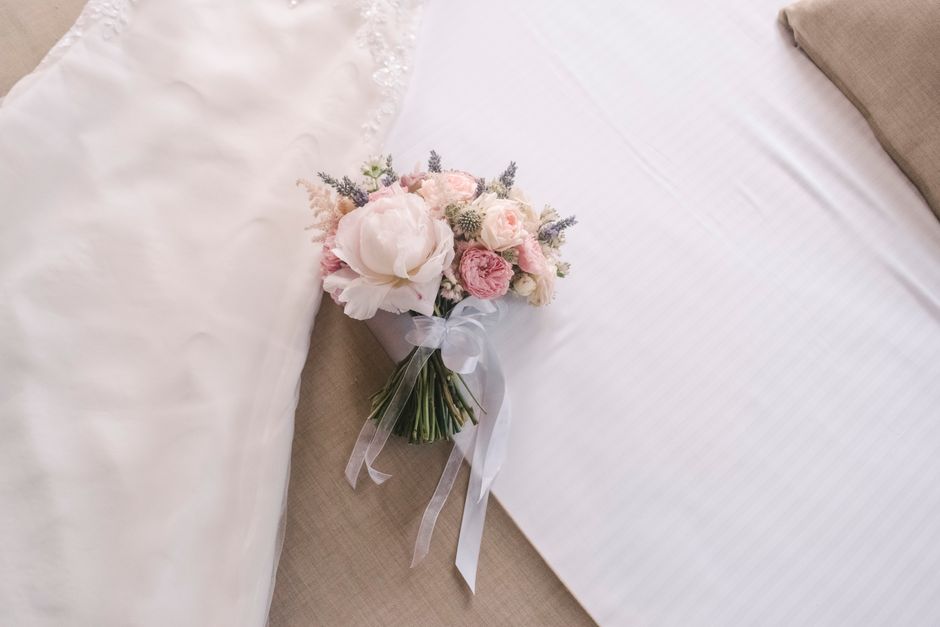
- Think in photos, not just in person. Strong bouquets look good from above, at chest height, and in close-up.
- Ask for flower substitutions in advance. If a certain bloom is unavailable, a florist should have a sensible alternative ready.
One practical trick: ask the florist to describe the bouquet in plain language before it is made. If they cannot explain how it will look, feel, and hold up, that is worth a pause. A good bouquet has a story, but it should still be understandable without a poetry degree.
You may also want to think about scent. Some couples love it. Others do not. Strong fragrance can be lovely in a quiet room and a bit much if you are standing close for hours. Subtlety often wins here.
Common Mistakes to Avoid
Wedding bouquets do not usually fail because of one huge error. They fail because of little oversights. Here are the ones that come up most often.
Choosing a design that looks good online but not in real weather
Open, airy arrangements can be beautiful, but if the day is warm or breezy, they may need more support. A florist should advise on structure, not just style.
Ignoring the dress neckline and proportions
A bouquet should complement the dress line. A very large bouquet can overwhelm a delicate silhouette, while a tiny one can vanish next to fuller styling.
Leaving the floral decision too late
The closer you get to the date, the fewer options you may have. This is especially true for specific seasonal blooms or colour-matched designs.
Not planning for the handover
If the bouquet is being delivered, someone needs to be available and clear on where it goes. Simple, but easy to miss in a busy morning.
Overcomplicating the brief
Sometimes couples bring too many reference images and end up with a muddled brief. It is better to choose a few clear priorities: colour, shape, and mood. Keep it clean.
Forgetting the secondary flowers
Bridesmaid bouquets, buttonholes, and table flowers matter because they support the bouquet visually. A wedding can look strangely unfinished if the main bouquet is elegant but everything else feels unrelated.
Tools, Resources and Recommendations
You do not need a lot of technical tools to plan a wedding bouquet, but a few simple resources make the process much easier.
- Colour reference images: Use a small set of photos that show the exact tone you want.
- Dress photo or fabric sample: Helpful for matching white, ivory, blush, or richer shades.
- Wedding timeline: Lets the florist plan preparation and delivery around the ceremony.
- Flower preference list: Useful for saying what you love, what you dislike, and what you must avoid.
- Venue photos: Especially useful for park settings and outdoor ceremonies.
For product-style inspiration, local wedding ranges can be a good starting point. Couples often browse wedding flowers first, then narrow things down to a bouquet style such as bridal bouquets or matching buttonholes. If you are building a fuller look, it can also help to consider bridesmaid bouquets and table arrangements so the whole design language stays consistent.
If you want a simple way to explore style families, you might also look at a classic white wedding collection or a softer romantic option like Pure Romance. And if you are planning a bouquet with strong rose content, white rose wedding arrangements and red rose wedding arrangements can show how different tones shift the mood.
For general flower care before and after the big day, the florist's flower care guidance is genuinely worth a read. Tiny steps, like keeping flowers cool and avoiding unnecessary handling, can make a visible difference.
Law, Compliance, Standards, or Best Practice
Wedding flowers are not heavily regulated in the way some services are, but there are still sensible standards and business practices that matter. For a florist, that usually means clear communication about what is included, how delivery works, what happens if substitutions are needed, and how refunds or issues are handled if something goes wrong. That is less glamorous than bouquet styling, but it protects everyone.
If you are ordering for a wedding, it is wise to check the florist's terms before paying. Look for clarity around payment timing, cancellation, substitutions, delivery responsibility, and any refund process. The shop's terms and conditions, delivery information, and returns and refund policy are the kind of pages that should answer those questions plainly.
It is also reasonable to expect honest product descriptions. If flowers are seasonal, a florist should explain that final stems may vary while keeping the overall style intact. That is standard good practice, not a problem. In fact, it is usually a sign the florist knows what they are doing.
For peace of mind, many couples also look at guarantee information, privacy details, and the florist's broader about us page to understand the business behind the bouquet. Small thing, perhaps, but it helps.
Options, Methods, or Comparison Table
Different bouquet styles suit different couples and different wedding conditions. Here is a simple comparison that may help.
| Style | Look and feel | Best for | Notes |
|---|---|---|---|
| Classic rose bouquet | Elegant, timeless, formal | Traditional ceremonies and polished outfits | Best when you want simplicity with a refined finish |
| Mixed seasonal bouquet | Textured, natural, expressive | Garden-style weddings and outdoor photos | Good for a more personal, less predictable look |
| White and green bouquet | Fresh, modern, clean | Minimalist styling and park settings | Photographs well in daylight and feels calm |
| Colour-led bouquet | Bold, joyful, playful | Weddings with a stronger palette | Needs careful balance so it does not feel too busy |
If you are unsure which route to take, a soft mixed bouquet is often the easiest place to start. It gives room for texture and personality without forcing a very rigid style. Still, the best option is the one that suits your wedding, not a trend.
Case Study or Real-World Example
Here is a realistic example of how an Ilford florist might approach a Valentines Park wedding bouquet brief.
A couple planning a late spring wedding wants something elegant but not overly formal. The ceremony will be followed by photos in the park, with family nearby and a fairly tight morning schedule. They like soft pinks, ivory, and light greenery, but they do not want the bouquet to feel heavy or overly layered.
The florist starts by narrowing the flower list to a manageable mix of focal blooms and lighter supporting stems. The aim is to create movement without making the bouquet too open. A rounder shape is chosen so it can be held comfortably during photos. The handle is wrapped neatly, because let's face it, the back of the bouquet matters too when people are looking at hands and wrists in close-ups.
To help the bouquet work in an outdoor setting, the florist avoids anything too fragile or awkwardly structured. The final result is designed to read clearly from a distance, look soft in natural light, and remain manageable during the walk from preparation to ceremony and then to the park. That balance is the whole trick.
What does this teach us? A good wedding bouquet is rarely just about the flowers themselves. It is about timing, movement, proportions, and the space it will live in for the day. That is why a case study is useful. It turns abstract taste into practical decisions.
Practical Checklist
Use this checklist before confirming a wedding bouquet order:
- Have you chosen the overall wedding style?
- Do the bouquet colours suit the dress and venue?
- Have you confirmed the ceremony date and timing?
- Do you know where the bouquet will be delivered or collected?
- Have you discussed seasonal availability with the florist?
- Is the bouquet the right size for comfortable holding?
- Will it photograph well in natural light?
- Have you planned matching buttonholes or bridesmaid flowers if needed?
- Do you understand the florist's substitution policy?
- Have you checked care instructions for the hours before the ceremony?
If you can answer yes to most of those, you are in very good shape. If not, no panic. Just ask the florist early rather than late. That alone solves a surprising amount of stress.
Conclusion
An Ilford florist case study Valentines Park wedding bouquet is valuable because it brings wedding flower planning back to earth in the best possible way. It shows that the prettiest bouquet is not always the most practical one, and the most practical one is not always the most beautiful. The sweet spot is usually somewhere in the middle: a bouquet that suits the setting, photographs well, feels comfortable, and lasts through the day with confidence.
For couples planning a wedding near Ilford, that means thinking locally, honestly, and with a bit of calm common sense. Ask about shape, season, handling, and delivery. Compare styles. Keep the brief clear. And remember that the bouquet should support the day, not dominate it. Small detail, big impact.
Get a free quote today and see how much you can save.
When everything comes together, the bouquet should feel like it simply belongs there, in the moment, under the soft park light, with the day unfolding around it. That is the kind of beauty that lasts.
Frequently Asked Questions
What does an Ilford florist case study Valentines Park wedding bouquet actually mean?
It refers to a real-world style example or planning approach for a wedding bouquet designed by a local florist for a Valentines Park wedding setting. It is useful because it combines design ideas with practical local conditions.
Why is Valentines Park relevant to bouquet planning?
Because a park setting changes how flowers are handled, photographed, and carried. Natural light, movement, and outdoor conditions can all affect the bouquet choice.
What flowers work best for a wedding bouquet in this setting?
That depends on the season and the look you want, but roses, lisianthus, lilies, orchids, and mixed seasonal flowers are often considered because they can suit both romantic and classic styles.
How far in advance should I order wedding flowers?
Earlier is usually better, especially if you want a specific bouquet style or seasonal flowers. A florist can tell you what timing makes sense for your date.
Should I choose a compact or large bouquet?
If you want something easy to hold and practical for photos, compact is often simpler. If you want drama and volume, a larger bouquet can work, but it should still feel comfortable in the hand.
Can I match my bouquet with bridesmaid flowers and buttonholes?
Yes, and it is often a good idea. Matching or coordinating flowers help the whole wedding feel visually connected without being too matchy-matchy.
What if the flowers I want are not in season?
A good florist should suggest alternatives that give a similar mood, shape, or colour. Usually there is a sensible substitution that keeps the design intact.
How do I make sure the bouquet lasts through the day?
Keep it cool, avoid unnecessary handling, and follow the florist's care advice. Timing matters too, especially if there is a gap between collection and the ceremony.
Is it better to choose one flower type or a mixed bouquet?
Both can work well. One flower type gives a clean, elegant look, while a mixed bouquet often feels more textured and personal. It depends on your wedding style.
What should I ask a florist before booking?
Ask about seasonal availability, bouquet size, delivery or collection, substitution policy, and how the flowers will be conditioned for the day. Clear answers usually mean a more organised service.
Do wedding bouquet prices vary a lot?
Yes, they can vary depending on flower choice, size, complexity, and the amount of labour involved. It is sensible to compare styles rather than just looking at one number.
Can I collect the bouquet myself?
Often yes, but it depends on the florist's setup and your schedule. Collection can work well if you are nearby and can keep the flowers safe and cool afterwards.
What if I want a bouquet that feels romantic but not overdone?
Ask for soft colours, balanced texture, and a shape that feels natural rather than oversized. That usually gives a refined result without drifting into anything too formal or too fussy.
Where should I start if I have no idea what I want?
Start with the venue, the dress, and a few colour references. From there, a local florist can usually narrow the options very quickly and help you avoid decision overload.