What to know Redbridge Council rules for funeral flowers
Posted on 05/06/2026
Arranging funeral flowers can feel like one more task at a time when everything already feels heavy. If you are trying to understand What to know Redbridge Council rules for funeral flowers, the main thing is this: most issues come down to venue rules, timing, tribute size, and where flowers can safely be placed. That sounds simple enough, but in real life there are often small details that matter a lot, especially if the service is at a cemetery, crematorium, or council-managed site in Redbridge.
This guide breaks it down in plain English. You will learn what the rules usually mean in practice, how to avoid awkward surprises on the day, which floral tributes tend to be suitable, and how to plan delivery with less stress. I will also show you where funeral flowers sit alongside sympathy wreaths, sprays, and casket tributes so you can choose the right option without second-guessing yourself.
If you are arranging flowers from Little Ilford or nearby, it can help to use a local florist who understands funeral timing and presentation, such as a local florist in Little Ilford E12 and a dedicated funeral flowers service. That little bit of local experience makes a bigger difference than people expect.
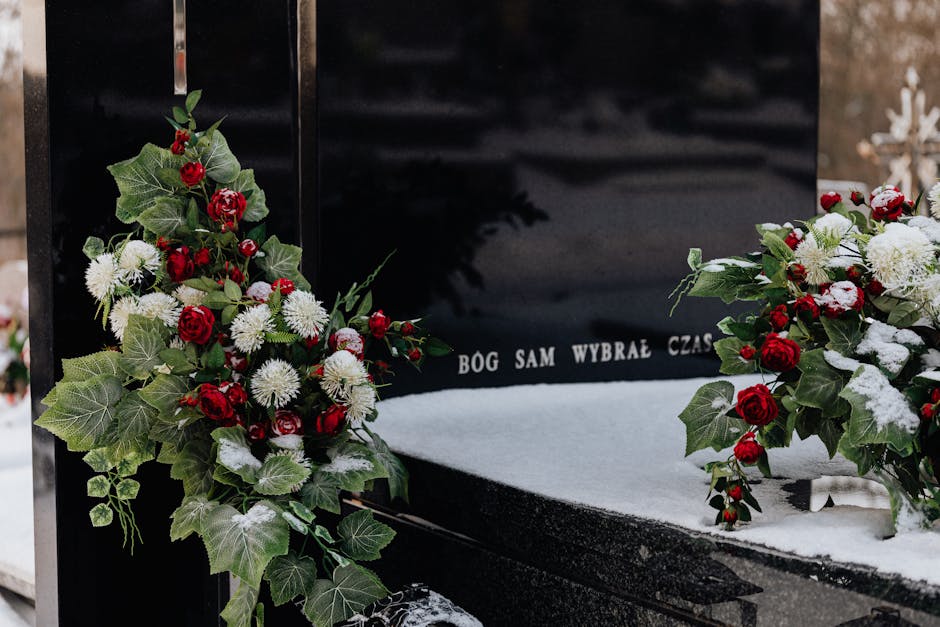
Table of Contents
- Why What to know Redbridge Council rules for funeral flowers Matters
- How What to know Redbridge Council rules for funeral flowers Works
- Key Benefits and Practical Advantages
- Who This Is For and When It Makes Sense
- Step-by-Step Guidance
- Expert Tips for Better Results
- Common Mistakes to Avoid
- Tools, Resources and Recommendations
- Law, Compliance, Standards, or Best Practice
- Options, Methods, or Comparison Table
- Case Study or Real-World Example
- Practical Checklist
- Conclusion
- Frequently Asked Questions
Why What to know Redbridge Council rules for funeral flowers Matters
Funeral flowers do more than decorate a service. They help people show respect, mark a relationship, and create a calmer atmosphere in a room that can otherwise feel stark and impersonal. In Redbridge, the council setting matters because cemeteries, chapels, and crematorium spaces often have their own practical limits around what can be displayed, when flowers can arrive, and how long tributes remain in place.
That matters for three reasons. First, it protects the dignity of the service. Second, it avoids last-minute confusion for family members or funeral directors. Third, it prevents the kind of frustrating situation where flowers arrive too early, too late, or in a format that is not appropriate for the venue. Nobody wants to be standing at the gate wondering where the wreath should go. Not ideal, to say the least.
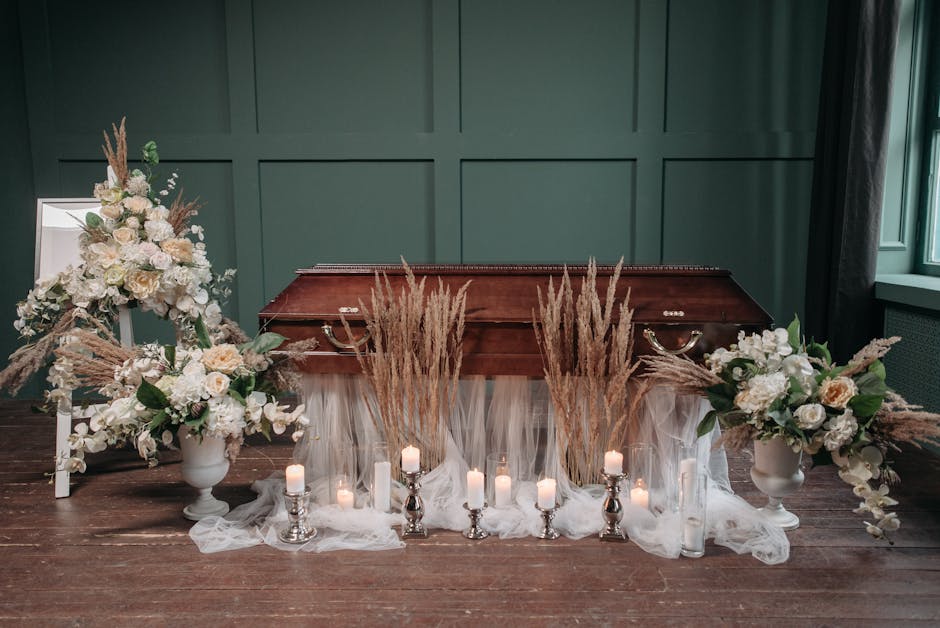
There is also a wider emotional side to this. Funeral flowers are often one of the few parts of the day that feel personal and visible. A carefully chosen spray or wreath can say what people struggle to say out loud. A white wreath, for example, can feel calm and traditional, while a mixed tribute can feel warmer or more individual. If you want to keep your choice simple and respectful, browsing white funeral flowers or wreath-style tributes can be a sensible starting point.
Expert summary: In practice, Redbridge Council rules for funeral flowers are usually about venue management, safety, space, and scheduling rather than complicated flower laws. If you confirm the service location, tribute size, and delivery timing early, you avoid most problems before they start.
How What to know Redbridge Council rules for funeral flowers Works
There is no one single rulebook that covers every funeral location in Redbridge in exactly the same way. Instead, what you need to know is usually a combination of council-managed venue expectations, funeral director instructions, and the practical etiquette that goes with a respectful service.
Here is the simple version. Funeral flowers are normally accepted as part of the service, but the venue may ask for:
- specific delivery windows
- the name of the deceased clearly written on the card
- tributes sized to suit the casket, church, chapel, or graveside area
- flowers to be placed in a particular area after the service begins
- removal of any non-floral items if they could cause safety or space issues
In many cases, the funeral director acts as the middle point. They coordinate the schedule, check where tributes should go, and make sure the family does not have to deal with the logistics on the morning itself. That is why timing is such a big deal. A late arrangement can miss the service altogether, while an early one may be left unattended. If you need help getting a tribute to the right place quickly, a same-day flower delivery option or next-day delivery service can be useful, provided the funeral timeline allows it.
For a typical funeral service, the decision tree looks something like this:
- Confirm the venue and service time.
- Ask whether there are any council or chapel restrictions on tribute placement.
- Choose the right tribute style: wreath, spray, heart, cross, basket, posy, or letter tribute.
- Add the correct name wording for the card.
- Arrange delivery for a safe window before the service begins.
- Check who will receive the flowers on arrival.
It really is that practical. The emotional part is hard enough without the admin becoming a second job.
Key Benefits and Practical Advantages
Understanding the local rules and usual expectations gives you a few clear advantages. Some are obvious, some only become obvious after you have seen a service run smoothly and one that has not.
- Less stress: You are not scrambling for information at the last minute.
- Better presentation: The flowers arrive in the right format for the venue.
- Fewer errors: Names, times, and delivery instructions are easier to get right.
- More respectful tribute choices: You can choose something suitable for the relationship and the setting.
- Cleaner coordination: The funeral director and florist can work from the same plan.
There is also a quiet benefit people often miss: the right flowers can help the family feel looked after. A well-timed arrangement from a trusted local florist can remove one small burden from a difficult day. If you need to compare tribute styles, a collection like sympathy florist choice tributes or a more specific piece such as a heartfelt condolences wreath can be helpful because it simplifies the decision-making.
If your budget is tight, you can still choose something tasteful. A smaller posy, sheaf, or compact wreath can be perfectly appropriate. Dignity is not about price, after all. It is about care, timing, and the thought behind the gesture.
Who This Is For and When It Makes Sense
This topic is relevant to anyone arranging flowers for a funeral in Redbridge or nearby. That includes family members, close friends, work colleagues, community groups, faith groups, and funeral directors who are helping coordinate on behalf of others.
It is especially useful if you are:
- arranging a church service followed by burial or cremation
- sending flowers directly to a funeral venue
- trying to decide between a wreath, spray, tribute heart, or basket
- ordering from outside the area and need local delivery handled properly
- supporting a family member who is too overwhelmed to organise details alone
Sometimes people ask whether funeral flowers are only for immediate family. In normal UK practice, no, they are not. The style of tribute usually depends on the relationship and the tone of the service. Immediate family often choose casket sprays or larger tributes. Friends and colleagues often choose wreaths, posies, or sympathy bouquets. Faith and cultural traditions may also shape the choice. For example, a letter tribute, cross, or colour-specific arrangement may carry meaning for a particular family.
That is why browsing the wider sympathy range, such as sympathy flowers, tributes, or letter tributes, can help you narrow down something fitting without overcomplicating it.
Step-by-Step Guidance
If you want the cleanest way to handle funeral flower rules in Redbridge, this is the process I would follow. It is straightforward, and it saves a surprising amount of back-and-forth.
1. Confirm the venue and service type
Start with the basics. Is it a crematorium, cemetery chapel, church, or graveside service? Each setting can have slightly different expectations. A crematorium service may have tighter timing, while a church service may allow flowers to be displayed differently. If the council is involved in managing the site, there may be rules about where flowers can be left after the ceremony.
2. Ask who is receiving the flowers
Sometimes the flowers are for the casket, sometimes for the family, and sometimes for a memorial area. That distinction matters. If the arrangement is meant to sit on the casket, a casket spray or coffin spray is usually more suitable than a tall vase-style bouquet. If it is for the family home afterwards, a basket or vase arrangement may be better.
3. Choose the right tribute type
This is where people can get stuck. A wreath feels classic and universal. A spray feels more traditional for the service itself. A heart or cross feels more symbolic. A posy is smaller and easy to manage. A letter tribute is personal and often chosen when the name or initials mean something to the family. If you are unsure, start with a simple white or mixed tribute and keep the wording elegant.
4. Add the card message carefully
Short and sincere is usually best. Keep names clear. If several family members are ordering separately, make sure the florist knows the exact name that should appear on the card. A missing surname or unclear initial can cause needless confusion, especially on a busy morning.
5. Set the delivery timing early
This is one of the most common failure points. Funeral flowers should arrive in the right window, not hours too early and not after the service has begun. If you are using a local delivery service, confirm the address, reception point, and whether someone will be there to accept the flowers. For general local delivery support, you may find it useful to check delivery information before placing the order.
6. Check the finish before the day
Look at the final wording, the colour palette, and the size. White, cream, lilac, and soft pink are common choices for funeral settings, though there is no rule saying every tribute must be pale. A deeper red or more personal mixed design can still feel respectful if that suited the person being remembered. A florist can help you balance dignity with individuality. That balance is the trick, really.
Expert Tips for Better Results
After handling enough sympathy and funeral orders, a few patterns become clear. The best outcomes usually come from simple choices and careful coordination.
- Keep the tribute readable: The card message and name should be easy to see.
- Use the person's style as a guide: Think about their favourite flowers, colours, or personality.
- Match the venue tone: A formal service may suit traditional wreaths or sprays; a more intimate service can allow slightly softer styles.
- Order with a margin: Give yourself more time than you think you need. Grief makes everything take longer, awkwardly enough.
- Ask about placement: If there is a service sheet or funeral director note, check where the arrangement will actually be displayed.
One practical tip that helps a lot: if several relatives want to send flowers, group the decision early. I have seen families end up with three similar wreaths and no one is quite sure who is meant to go where. It is not a disaster, but it can be a bit untidy on the day. A single plan avoids that.
If you want a tribute that feels personal without becoming overdesigned, consider a design like a compassionate wreath, an in loving memory wreath, or a gentle spray such as gentle thoughts spray. Those styles tend to work well in most council and chapel settings.

Common Mistakes to Avoid
A few small mistakes cause most of the stress around funeral flowers. The good news is they are easy to avoid once you know what to watch for.
- Ordering too late: Funeral schedules move quickly. Late orders limit your choices and increase delivery risk.
- Choosing the wrong format: A birthday bouquet is not the same as a funeral tribute. It sounds obvious, but this does happen when people are upset and rushing.
- Not confirming the venue: The exact address matters. A crematorium, cemetery office, church, and private home are not interchangeable.
- Ignoring timing instructions: A tribute arriving after the cortege has moved is heartbreaking and avoidable.
- Overcomplicating the card message: Keep it heartfelt and clear.
- Using fragile extras without checking: Ribbons, cards, and decorative additions should be suitable for the venue and weather.
Another mistake is assuming every site has the same acceptance rules. Some places are fine with larger pieces, others want smaller tributes kept to a particular area. The venue team or funeral director will usually advise, but only if you ask. No one likes asking extra questions at a time like this, but it is worth it.
Tools, Resources and Recommendations
You do not need a huge toolkit, just a handful of reliable checks and a florist who understands sympathy work.
| What you need | Why it helps | Best use |
|---|---|---|
| Funeral time and venue details | Stops delivery errors and missed arrivals | Before placing the order |
| Name for the tribute card | Ensures the flowers are identified correctly | At checkout |
| Tribute style selection | Matches the relationship and the setting | When choosing the arrangement |
| Delivery window | Supports same-day or next-day handling | When planning transport |
| Venue contact point | Helps staff receive and place the flowers | For council-managed or busy sites |
For many readers, the simplest option is to work with a florist that already handles sympathy and funeral arrangements as part of a broader local service. That can be especially helpful if you need support with general flower delivery, not just the funeral itself. You might also want to know about local flower shops, best flower delivery options, or even more affordable flowers if you need to stay within budget.
Useful product groups to keep in mind include sprays, wreaths, baskets and posies, and funeral arrangements. If the family wants a specific symbolism, letter or shape tributes can be a thoughtful option too.
Law, Compliance, Standards, or Best Practice
Strictly speaking, the main concern here is not a law in the everyday sense, but venue policy, council management, and respectful best practice. In the UK, funeral flowers are generally allowed at services, but the final say on placement, size, and timing sits with the venue operator, funeral director, or cemetery/council arrangements.
Best practice usually means:
- following the venue's delivery instructions
- keeping tribute wording respectful and appropriate
- ensuring arrangements do not block access, exits, or staff movement
- avoiding items that could cause a safety issue or look out of place in the service setting
- coordinating with the funeral director if multiple tributes are being delivered
If the service is at a council-managed cemetery or crematorium, staff may have local procedures for flower placement and collection after the service. Those procedures can vary, so it is better to check early rather than guess. That is the safest, sanest approach, and probably the least likely to cause a headache on the day.
There is also a standards element in the way the flowers are presented. Clean mechanics, fresh stems, secure card holders, and sensible packaging all matter. If you are ordering from a florist, ask whether the tribute is being prepared specifically for funeral use. A reputable florist will know how to keep the arrangement stable and dignified during transport.
Options, Methods, or Comparison Table
Choosing funeral flowers is easier when you compare the main tribute types side by side. Not every arrangement suits every setting, and that is fine. The point is to choose something that feels right without making the process harder than it needs to be.
| Tribute type | Best for | Why people choose it | Things to watch |
|---|---|---|---|
| Wreath | Most services, all relationships | Classic, dignified, universally understood | Can feel formal if you wanted something more personal |
| Spray | Coffin or casket tribute | Traditional choice for the service itself | Size must suit the casket and venue |
| Heart | Close family or partner tributes | Strong emotional symbolism | May be more expressive than some families want |
| Cross | Faith-based services | Suitable for religious tributes | Check with family if faith symbolism is appropriate |
| Posy or basket | Friends, neighbours, colleagues | Compact, easy to place, understated | Smaller visual impact |
| Letter tribute | Initials or named remembrance | Highly personal and memorable | Needs careful spelling and planning |
If you are unsure which route to take, a florist choice sympathy arrangement can be a good middle ground because it lets the florist design within the right tone and budget. That works especially well when you are ordering quickly and do not want decision fatigue. Truth be told, few people do.
Case Study or Real-World Example
Here is a realistic example from the sort of situation florists deal with all the time.
A family in East London needed flowers for a mid-morning service in Redbridge. The venue was council-managed, the cortege timing was tight, and two relatives were ordering separately. One wanted a white wreath, the other wanted something more personal but still understated. The first issue was not the flowers at all; it was making sure both tributes arrived before the chapel doors opened.
They kept it simple. One order was a white wreath with a short card message. The second was a sympathy spray in soft mixed tones. Both were scheduled for an early delivery slot, and the florist had the service name and venue details written clearly on the order notes. The result was calm, tidy, and respectful. Nothing flashy. Nothing awkward. Just the right flowers in the right place at the right time.
That is usually the goal with funeral flowers: not perfection, just thoughtful coordination. A service day has enough emotion without introducing avoidable logistics drama.
Practical Checklist
Use this checklist before you confirm your order. It sounds basic, but it catches the little details that are easy to miss when your mind is elsewhere.
- Confirmed the exact funeral venue and service time
- Checked whether the location has any council or chapel restrictions
- Chosen the right tribute type for the relationship
- Written the name for the card correctly
- Decided on colour tone: white, mixed, soft pastel, or something more personal
- Asked who will receive the flowers on arrival
- Set the delivery window before the service starts
- Verified that any special instructions are included in the order
- Reviewed the florist's funeral or sympathy range
- Kept the message short, clear, and sincere
If you still feel unsure, step back and ask one practical question: what will be easiest for the family on the day? That question tends to cut through the noise nicely.
Conclusion
What to know Redbridge Council rules for funeral flowers comes down to planning, placement, and respect. You do not need to memorise council jargon or overthink every detail. The essentials are simple: confirm the venue, understand the service timing, choose an appropriate tribute, and make sure delivery is coordinated properly.
When you do that well, the flowers do what they are meant to do. They soften the room. They honour the person being remembered. They give family and friends one quiet, beautiful point of focus on a difficult day. And that matters more than people sometimes realise.
If you need a practical next step, look at the tribute style first, then arrange timing second. That order helps keep the whole process calm and manageable, even if the day itself is anything but.
Get a free quote today and see how much you can save.
And if you are ordering for a funeral in Little Ilford or nearby, it can be reassuring to use a local florist that understands sympathy work, delivery windows, and the importance of getting every small detail right. A little care goes a long way.
Frequently Asked Questions
Do Redbridge Council rules usually allow funeral flowers?
In normal practice, yes, funeral flowers are generally allowed. The main issue is not permission but where the flowers go, when they arrive, and whether the venue has any local handling rules.
Can I send funeral flowers directly to a Redbridge crematorium or cemetery?
Usually you can, but you should confirm the exact venue details and delivery window first. Funeral directors often prefer tributes to arrive before the service begins so they can be placed properly.
What type of funeral flowers are most suitable for a council-managed service?
Traditional wreaths, sprays, posies, and baskets are usually the safest choices. If you want something more personal, letter tributes, hearts, or faith-based crosses may also be suitable depending on the family's wishes.
Are there restrictions on the size of funeral flower arrangements?
There can be. Some venues have practical limits because of space, casket size, or staff access. It is best to check with the funeral director or venue before ordering a very large tribute.
How far in advance should I order funeral flowers in Redbridge?
As early as possible. Same-day and next-day options can help in urgent situations, but if the funeral is scheduled, ordering early gives you more choice and less stress.
Can I choose white flowers only for a funeral tribute?
Yes. White is a very common and respectful choice for funeral arrangements. It often feels calm, clean, and traditional, which is why many families prefer it.
What should I write on the funeral flower card?
Keep it short, clear, and sincere. A name or family name plus a brief message is usually enough. For example: "With love and deepest sympathy, from all the family."
Do I need to coordinate with the funeral director before ordering?
It is strongly recommended. The funeral director can tell you where the flowers should be delivered, when they need to arrive, and whether there are any venue-specific instructions.
What happens if funeral flowers arrive late?
If flowers arrive late, they may miss the service or be placed after the main ceremony. That is why delivery timing matters so much. A clear order note and a reliable local florist reduce the risk.
Are letter tributes appropriate for every funeral?
Not always, but they are widely used and can be very meaningful. They work best when the family likes a more personal, named tribute and there is enough space for the design.
Can colleagues send funeral flowers as a group?
Yes, and this is common. A colleague group often chooses a wreath, spray, or sympathy basket with a shared card message from the team.
What if I am not sure which flower arrangement is right?
Choose a florist's sympathy option or a classic wreath if you want to keep it safe and respectful. When in doubt, simple is usually better than overdone.
Can funeral flowers be delivered to the family home instead of the service?
Yes. If the flowers are meant for comfort after the funeral, a basket, bouquet, or vase arrangement is often more suitable than a casket spray.
Is it okay to send colourful funeral flowers?
Yes, if the family would appreciate that. While white and soft tones are traditional, mixed colours can be a lovely way to reflect someone's personality or favourite palette.
If you are looking for a thoughtful local option, a good starting point is a carefully prepared sympathy range such as sympathy florist choice options or a specific tribute like peace and prayers wreath. Sometimes the simplest choice is the kindest one.